I’m Sothini Shaba, Founder and CEO of Tefillah Limited, and I’m excited to share the story behind our journey to transform the fashion industry in Africa.
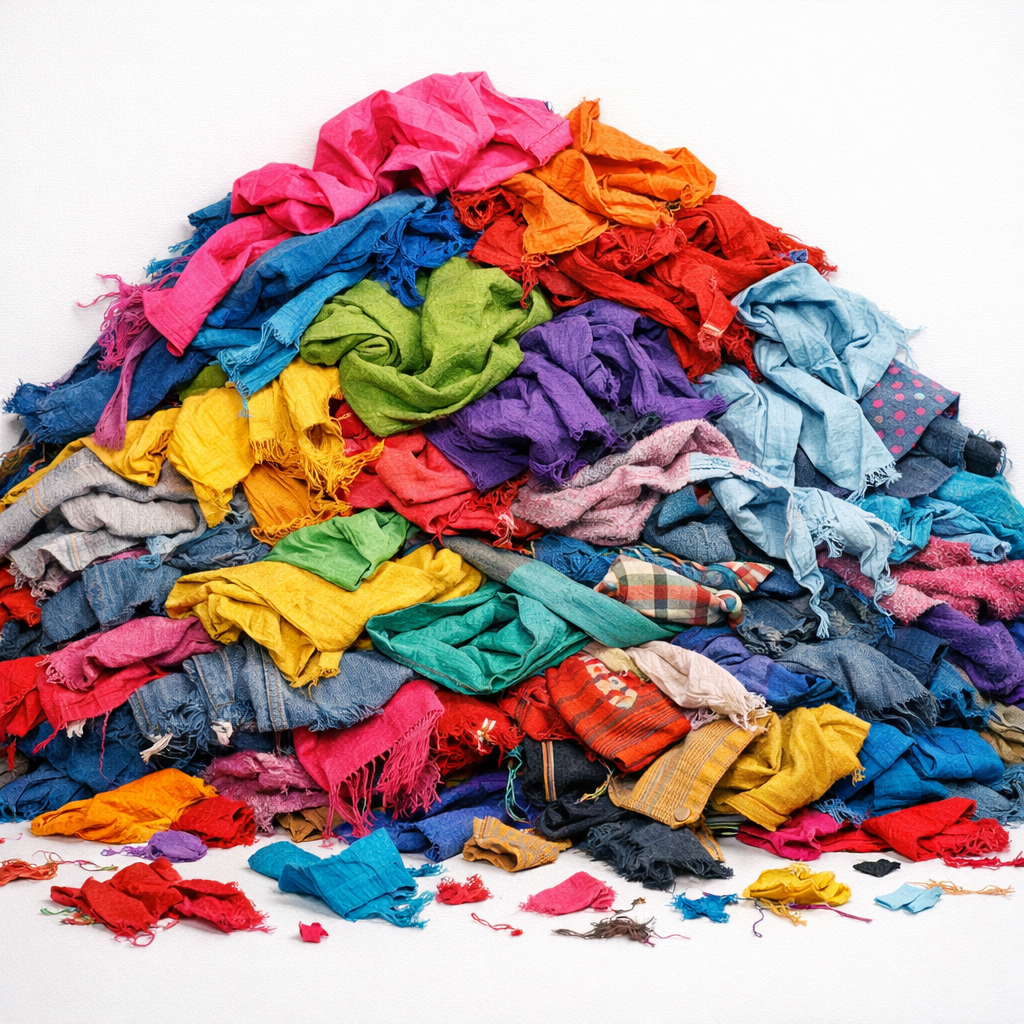
The global fashion and textile sector is one of the most polluting industries on earth. It contributes nearly 10% of global carbon emissions, generates over 92 million tonnes of textile waste annually, and accounts for 20% of global industrial wastewater. In Africa, the crisis is compounded by massive importation of second-hand clothing and fast fashion, while plastic waste clogs our rivers and landfills. After speaking at circular fashion events in Kenya (2025) and upcoming in Ghana and collaborating with specialists from the USA, UK, Europe, and across Africa, I realized we must treat sustainable fashion as a serious industrialization opportunity.
This realization birthed Tefillah.
Our Brand Story
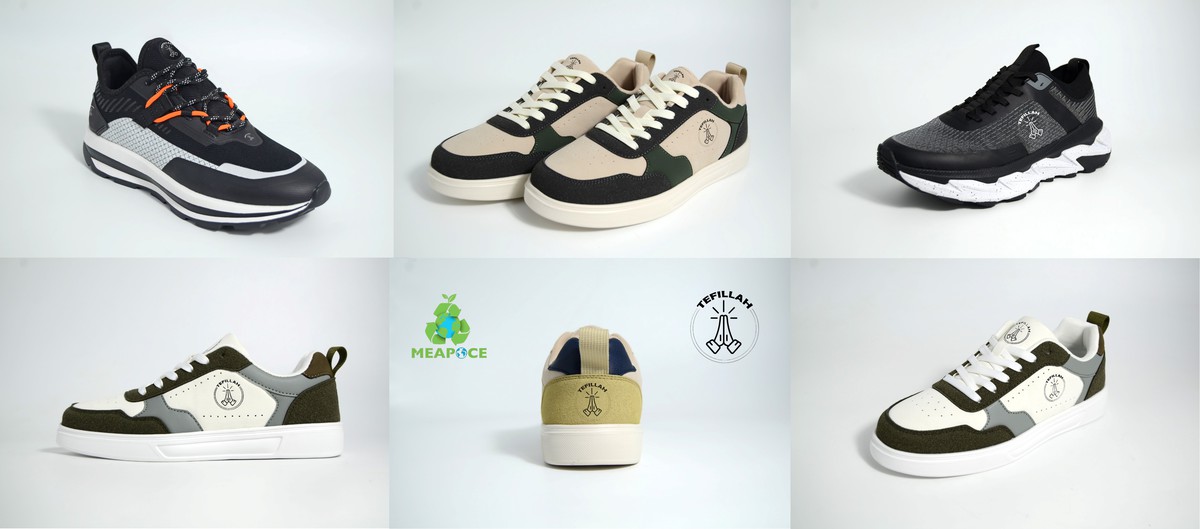
Tefillah was born from a deep desire to solve real problems while celebrating African ingenuity. Starting as a young clothing trader, I witnessed firsthand the environmental and economic damage caused by linear fashion models. Today, Tefillah represents a bold new vision: premium sneakers that are stylish, sustainable, and proudly African-made.
What We Create
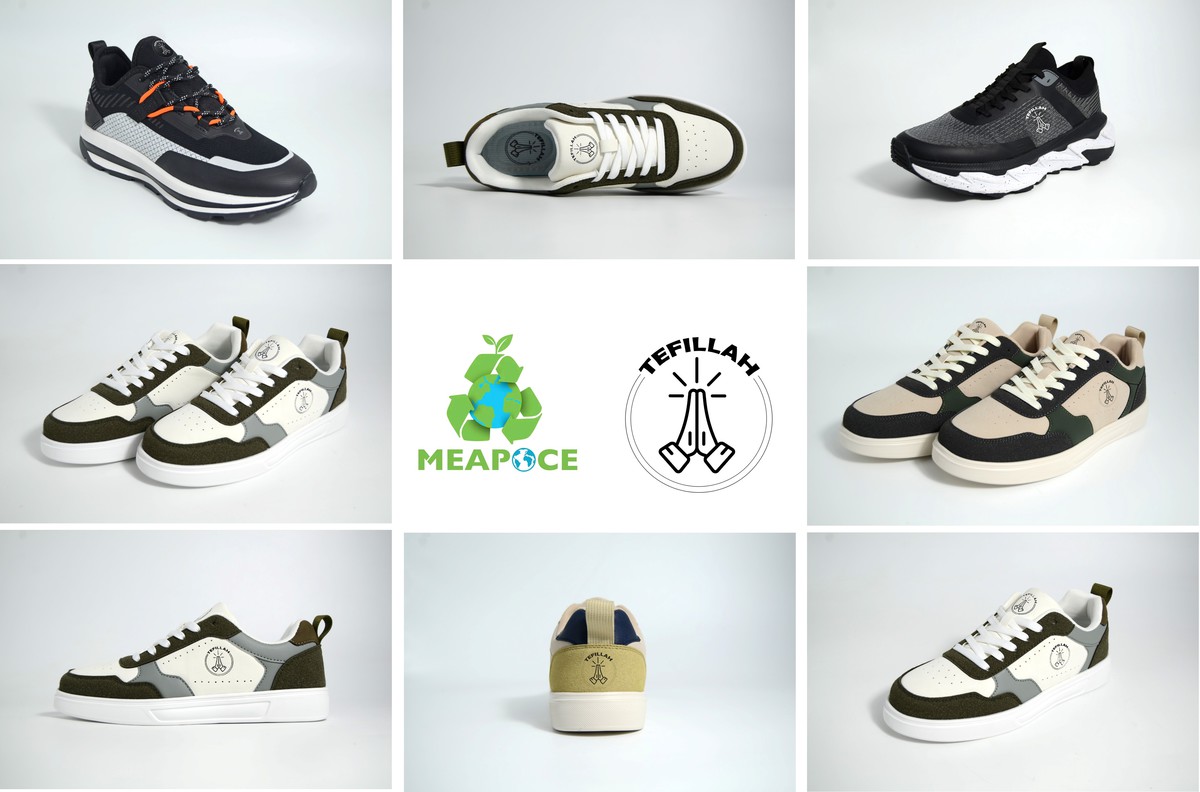
At the heart of Tefillah are our premium sustainable sneakers. Each pair is thoughtfully designed for comfort, durability, and modern style. Our current flagship collection features clean, versatile designs suitable for everyday wear, urban exploration, and conscious consumers who want fashion with purpose.
Materials & Circular Approach.
We take a fully circular approach by designing products with their entire lifecycle in mind. Our sneakers are made from:
−
Recycled
PET Plastics: sourced locally from plastic bags and bottles waste collected in
Malawi. This breakthrough allows us to transform harmful waste into
high-performance uppers and linings.
−
Organic
Cotton: used for breathable interiors and details, grown without harmful
pesticides.
− Recycled Rubber: transformed into durable, high-grip outsoles.
Every pair is equipped with a Digital Product Passport (DPP) - a QR code that tells the full story of the shoe: where the materials came from, how much waste was diverted, and its environmental impact. This level of transparency is rare in the industry and builds deep trust with conscious consumers.
Our production model follows the cold-cement construction process. We source recycled materials locally where possible and assemble the sneakers in Malawi using talented Malawian engineers and assemblers. This hybrid approach maximizes local value addition while maintaining quality standards suitable for both regional and international markets.
Addressing Core Industry Issues
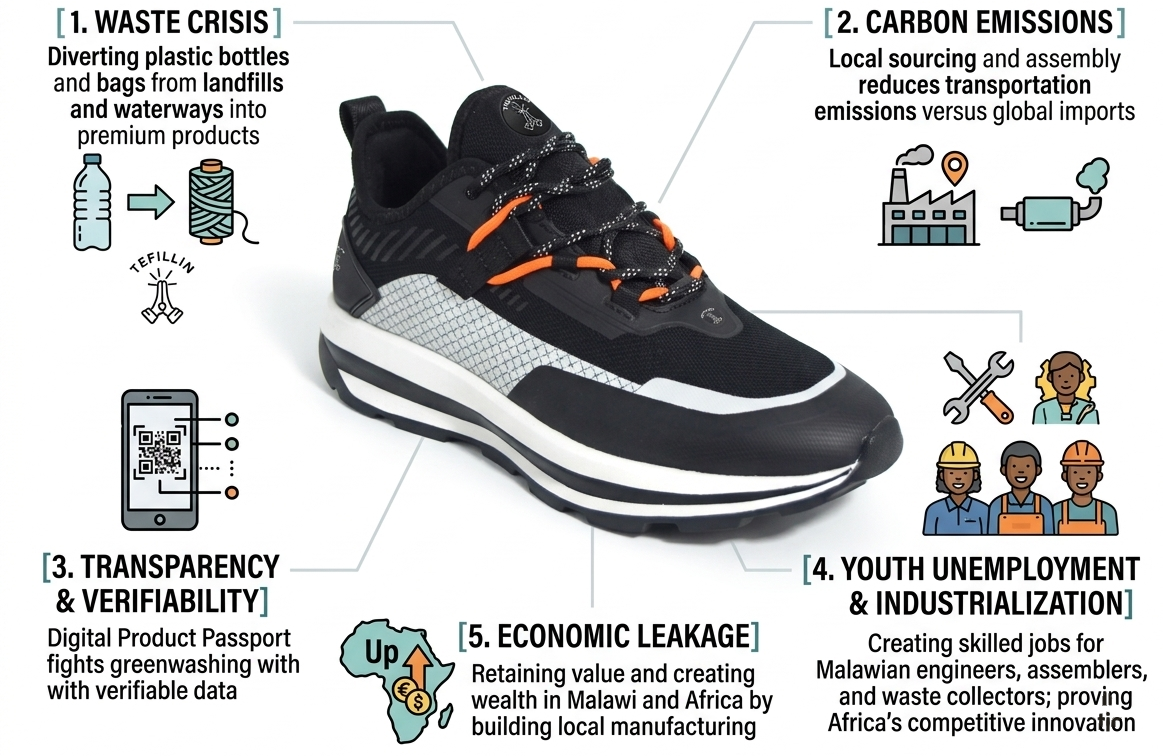
Tefillah directly tackles the fashion industry’s biggest challenges by turning locally collected plastic waste into premium products, preventing thousands of bags and bottles from polluting landfills and waterways. Through local sourcing and assembly, it significantly reduces transport‑related carbon emissions while offering a transparent Digital Product Passport that fights greenwashing and informs customers. At the same time, Tefillah creates skilled jobs for Malawian youth, proves Africa can compete through circular innovation, and keeps economic value within Malawi instead of losing it through raw‑waste exports.
Our
Vision for Africa
We believe Africa does not need to wait for traditional resources to industrialize its fashion sector. Through innovation and circular economy principles, we can leapfrog outdated models and lead the next wave of sustainable manufacturing. With strong policy support like the Industrial Rebate Scheme, SEZ incentives, and regional trade agreements (AGOA, AfCFTA), Tefillah is positioned to scale from small-batch production to full manufacturing, creating hundreds of jobs while positioning Malawi as a hub for circular footwear in Africa.
We have demonstrated that it is possible. Now, we invite policymakers, investors, partners, and fellow entrepreneurs to join us in making circular fashion the new mainstream across the continent.
Thank you for being part of this journey. Together, we can prove that sustainability and profitability can go hand in hand one responsible step at a time. Let’s build the future we want to walk in.